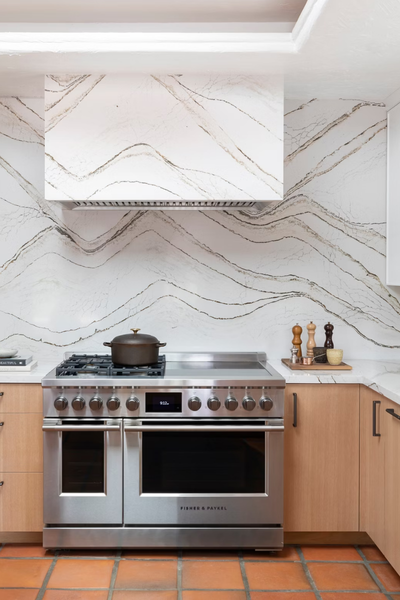
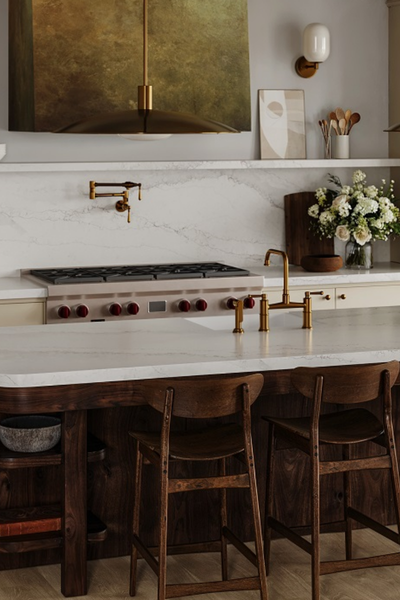
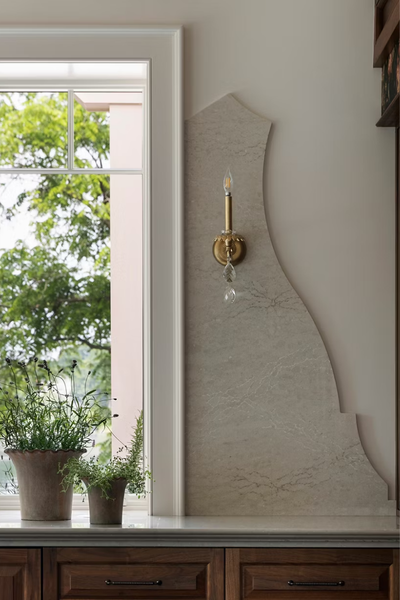
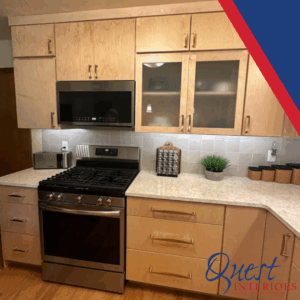
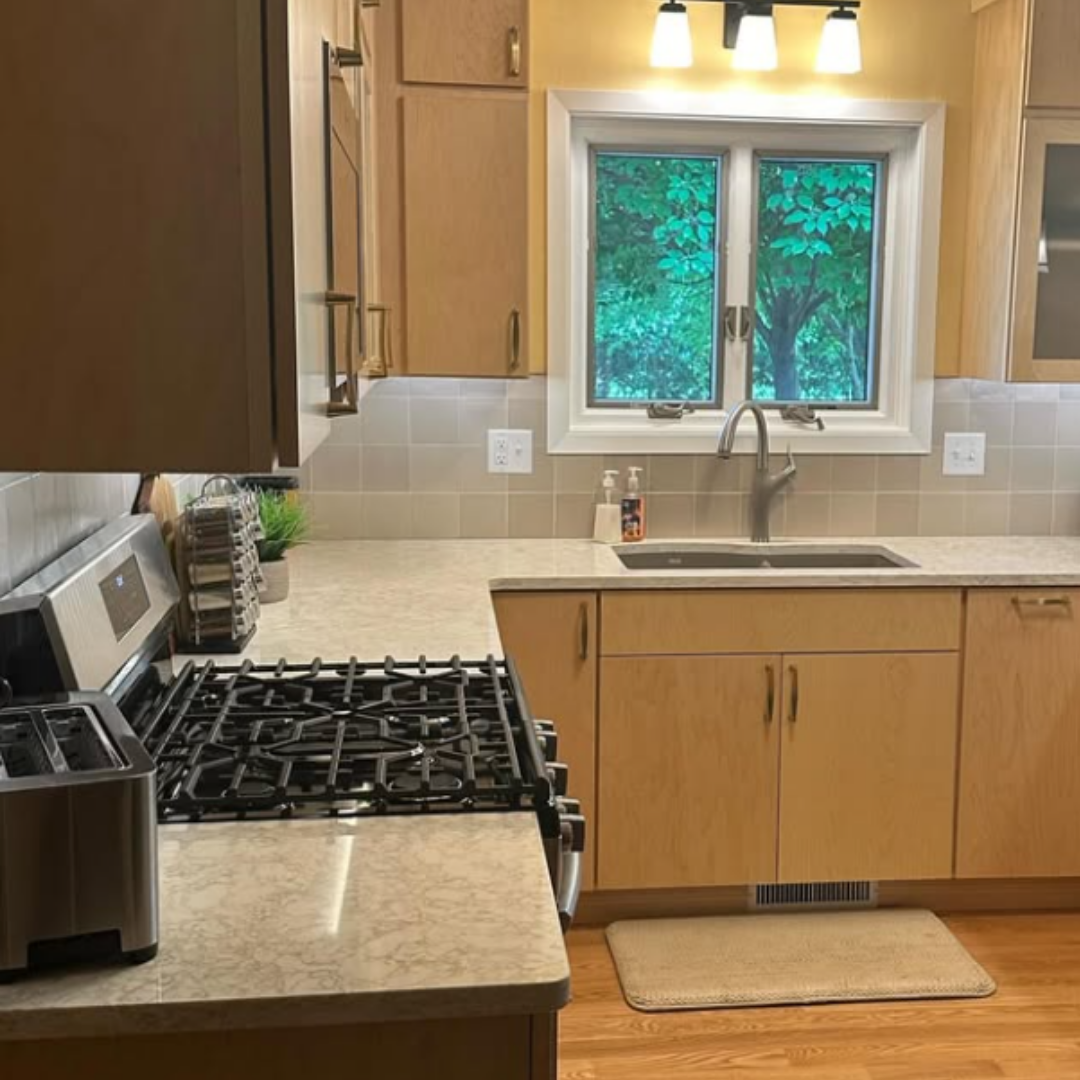
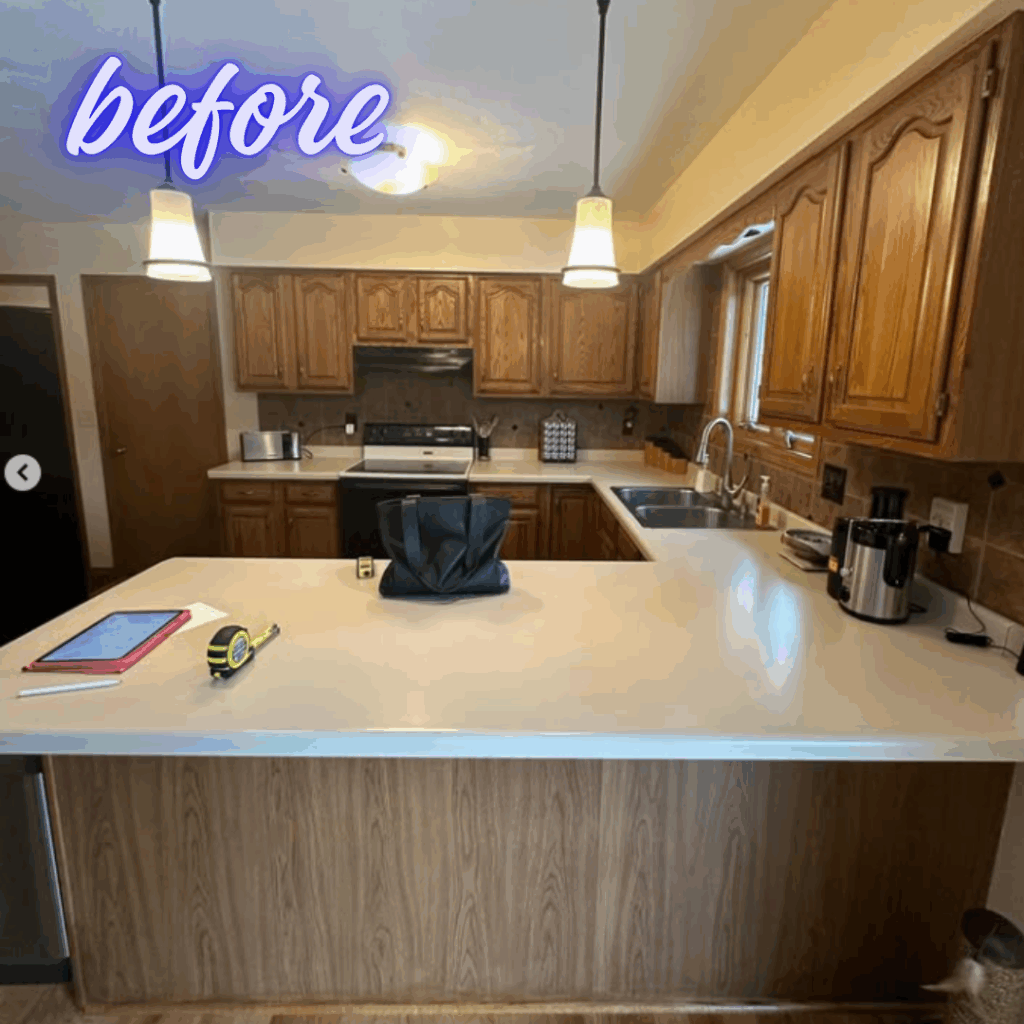
The 2026 Backsplash Trend Taking Over Wisconsin: Why Full Height Quartz is the New Subway Tile

The 2026 Backsplash Trend Taking Over Wisconsin:

Why Full Height Quartz is the New Subway Tile

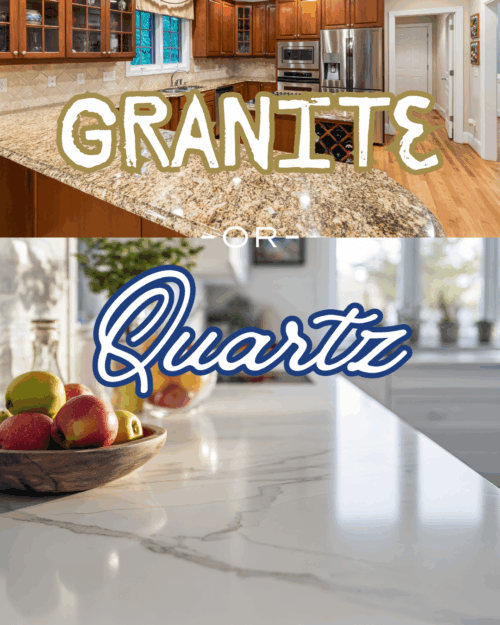
Quartz vs. Granite

Which is Better for Your Fox Valley Kitchen?

Quartz vs. Granite

Quartz vs. Granite

Share
Email

When you’re planning a kitchen renovation in the Fox Valley, the “Quartz vs. Granite” debate is almost inevitable. Both materials offer stunning beauty and a high-end feel, but for the modern Wisconsin homeowner, the choice often comes down to lifestyle.

At Quest Interiors, we’ve seen thousands of slabs move through our showrooms and fabrication facilities. While we love the natural allure of granite, we find ourselves increasingly recommending quartz as the superior choice for a busy Fond du Lac kitchen countertop, a stylish Appleton kitchen, or a high-traffic Oshkosh countertop.

Looking for a fast turnaround? Many of our countertops can be installed next week and completed in just one day!


The Maintenance Myth: Granite vs. Quartz

The biggest difference between these two heavyweights is how much work they require after the installation crew leaves.

  • Granite is a natural stone. Because it is formed in the earth, it is inherently porous. To prevent liquids like red wine or olive oil from seeping into the stone and causing permanent damage, granite must be professionally sealed upon installation and resealed every 12 to 18 months.

  • Quartz is an engineered stone. It is composed of roughly 90–94% crushed natural quartz crystals mixed with high-performance resins. This process creates a non-porous surface.

Because quartz is non-porous, it never needs to be sealed. You can spill coffee, lemon juice, or wine on a Quest Interiors quartz surface and simply wipe it away with a damp cloth. For the homeowner who wants a “set it and forget it” solution, quartz is the winner.

Superior Stain and Bacteria Resistance

In a kitchen, hygiene is just as important as aesthetics. Granite’s porous nature means that if the sealant wears down, the stone can actually harbor bacteria and mold within its microscopic crevices.

Quartz, however, is a dream for the health-conscious cook. Its dense, non-absorbent surface is naturally resistant to the growth of odor-causing bacteria and mildew. When you choose brands like Viatera or Daltile, you are investing in a surface that is as sanitary as it is beautiful.


Elite Brands: Cambria, Viatera, and More

At Quest Interiors, we don’t just provide “standard” quartz. We partner with industry leaders to ensure your Appleton, Fond du Lac, or Oshkosh home features the best materials on the market.

  • Cambria Countertops: Proudly American-made, Cambria is the gold standard for luxury quartz. Their designs offer deep veining and organic movement that perfectly mimic high-end marble and granite without any of the maintenance headaches.

  • Viatera: Known for its immense durability and trend-setting color palettes, Viatera by LX Hausys is a favorite for those seeking a sophisticated, contemporary look.

  • Daltile: Offering a massive range of styles, Daltile’s quartz provides versatility for every budget and design aesthetic.

  • Inspired Quartz: For those seeking a unique, designer-forward look, our Inspired Quartz collection offers hand-picked styles that elevate any space.


The Quest Advantage: Laser Template and In-House Fabrication

Choosing the right material is only half the battle; the quality of the installation is what makes or breaks a kitchen. This is where Quest Interiors stands apart from the “big box” stores.

We utilize state-of-the-art laser template technology for every project. Instead of using old-school wooden sticks or cardboard to measure your cabinets, our technicians use digital lasers to create a 3D map of your kitchen. This ensures that every curve of your wall and every corner of your cabinetry is accounted for with sub-millimeter precision.

Once the digital map is created, the work moves to our in-house fabrication facility. By fabricating our own slabs locally, we maintain total control over the quality and craftsmanship. Whether it’s a complex edge profile or a seamless waterfall island, our local craftsmen ensure your Oshkosh countertop or Appleton remodel fits perfectly the first time.

Fast Results for Your Fox Valley Home

We know that being without a kitchen is a major inconvenience. That is why we have streamlined our process to be as efficient as possible.

  • Speed: Many of our in-stock quartz countertops can be installed next week.

  • Efficiency: Most installations are completed in just one day, meaning you can start cooking on your new Cambria or Viatera surfaces by dinner time.

Final Verdict: Is Quartz Right for You?

If you value:

  1. Zero Maintenance: No sealing, ever.

  2. Stain Resistance: Total peace of mind against spills.

  3. Consistency: The slab you see in the showroom is exactly what will be installed.

  4. Hygiene: A non-porous surface that stays clean.

…then quartz is the clear winner for your next kitchen project.


Start Your Transformation Today

Ready to see the beauty of Cambria, Viatera, and Daltile in person? Visit one of our showrooms in Fond du Lac, Oshkosh, or Appleton to explore the largest selection of quartz in the Fox Valley. Our team will guide you through the design process, from the initial laser template to the final in-house fabrication.

Click here to schedule your free design consultation with Quest Interiors!

Get Started Today!

Fill out the form and one of our dedicated project managers will reach out right away.

This field is for validation purposes and should be left unchanged.
What products are you interested in?(Required)
Please let us know what services or products you would like more information about. (select all that apply)
OPTIONAL OPT-IN FOR SMS TEXT MESSAGING
By checking the boxes below, you are opting to receive messages via text message from Quest Interiors.

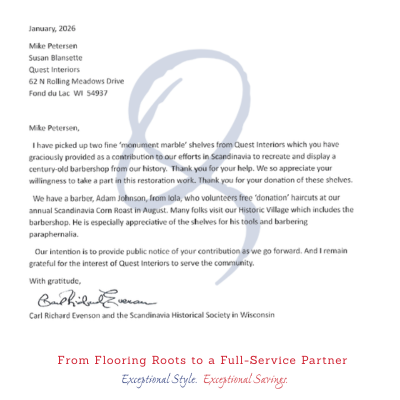
Preserving history, one stone at a time. 💈✨

Quest in the Community

Preserving history, one stone at a time. 💈✨

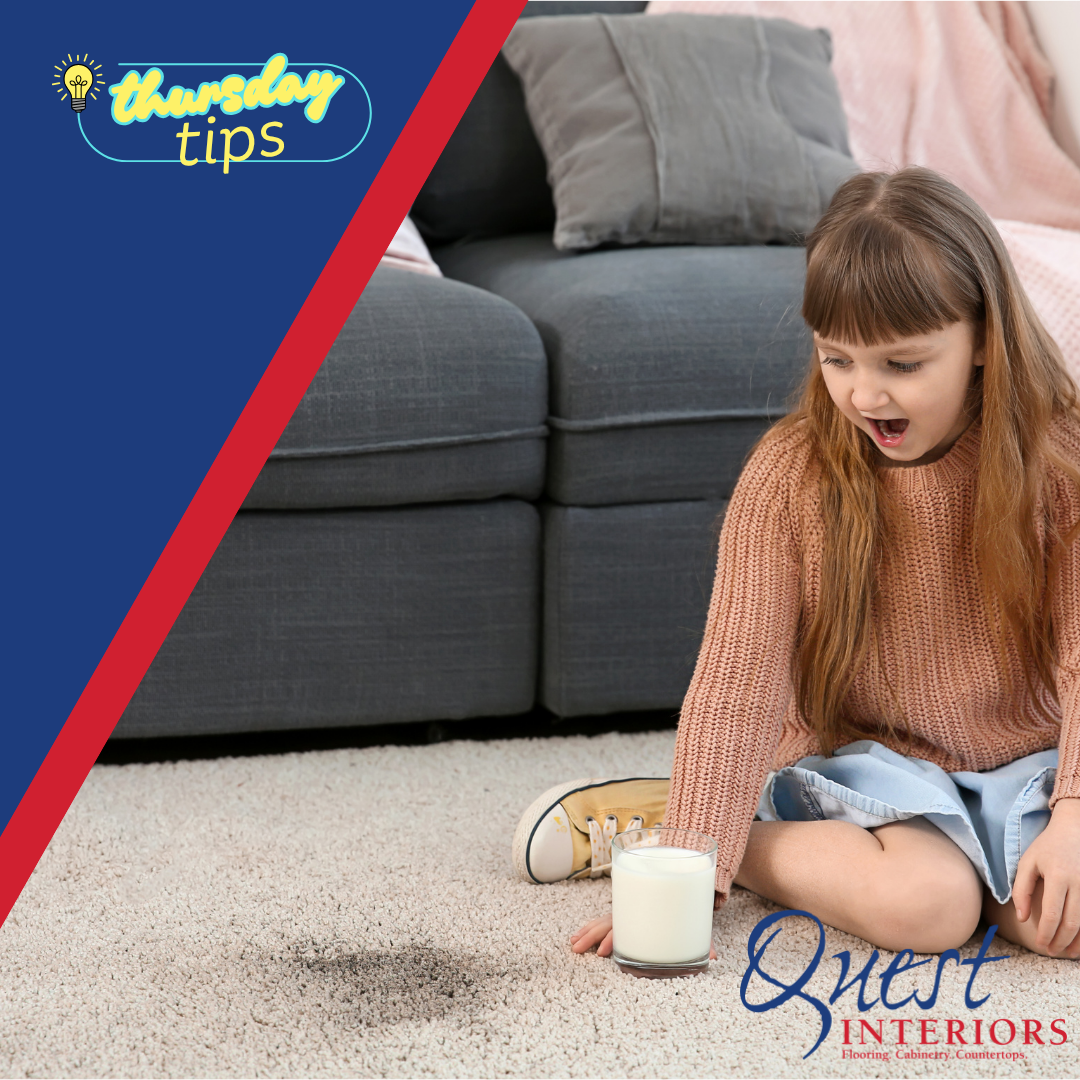
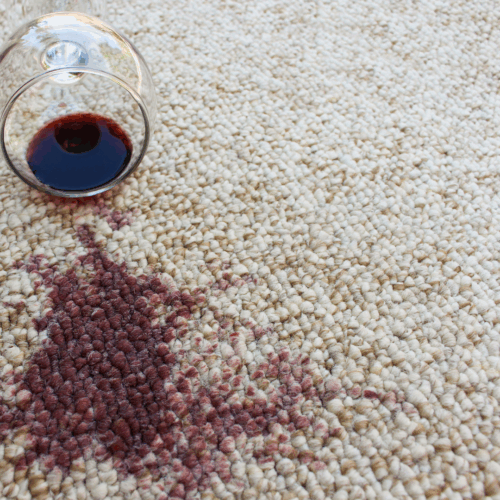
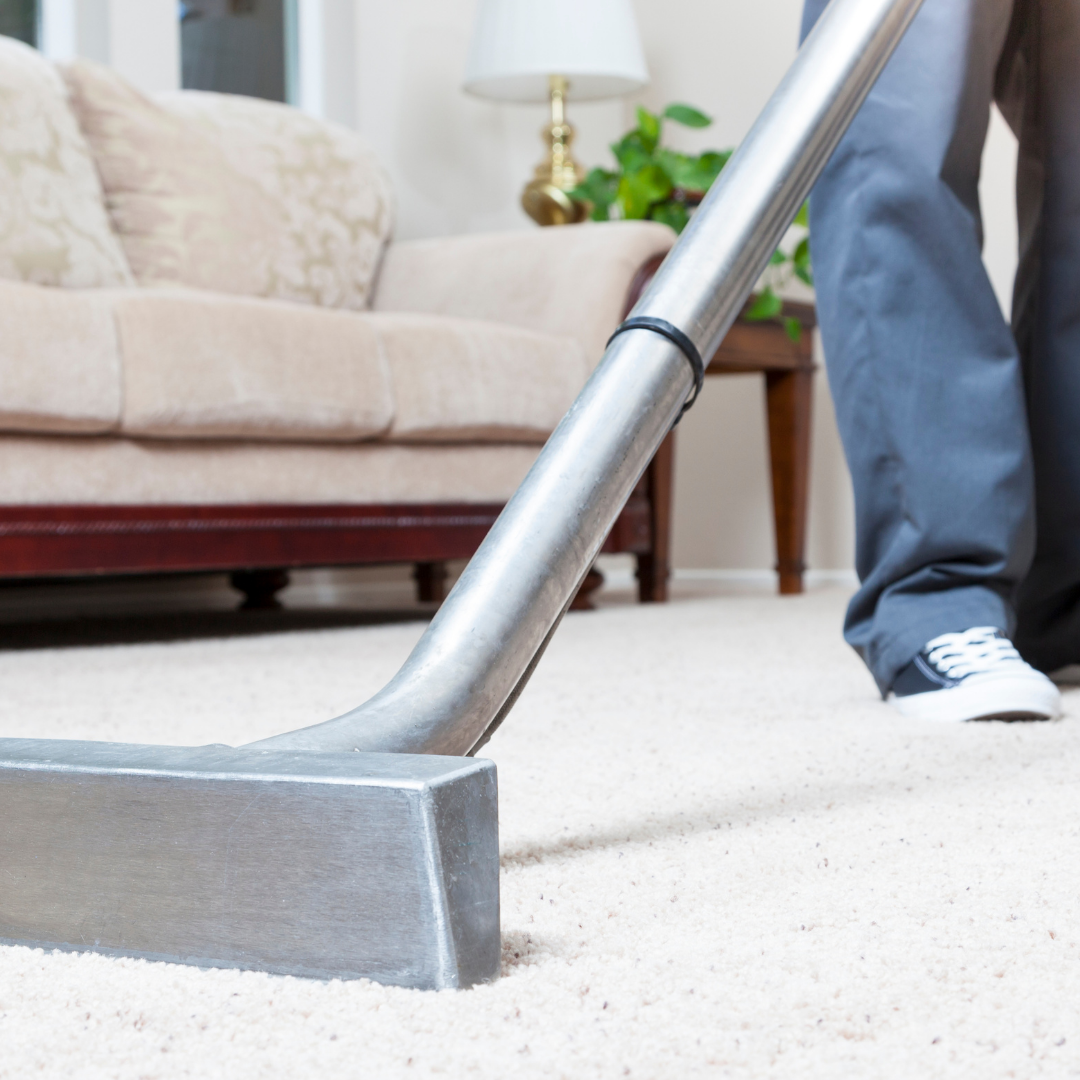
Your Guide to At-Home Carpet Stain Removal

The Accidental Spill

Your Guide to At-Home Carpet Stain Removal

Request a Free Estimate

Complementary measure and consultation

Request A Quote

A Glimpse into a Gorgeous Oshkosh Kitchen Transformation! 💛

The Quest Interiors Difference: Professional Installation and Design

A Kitchen Transformed

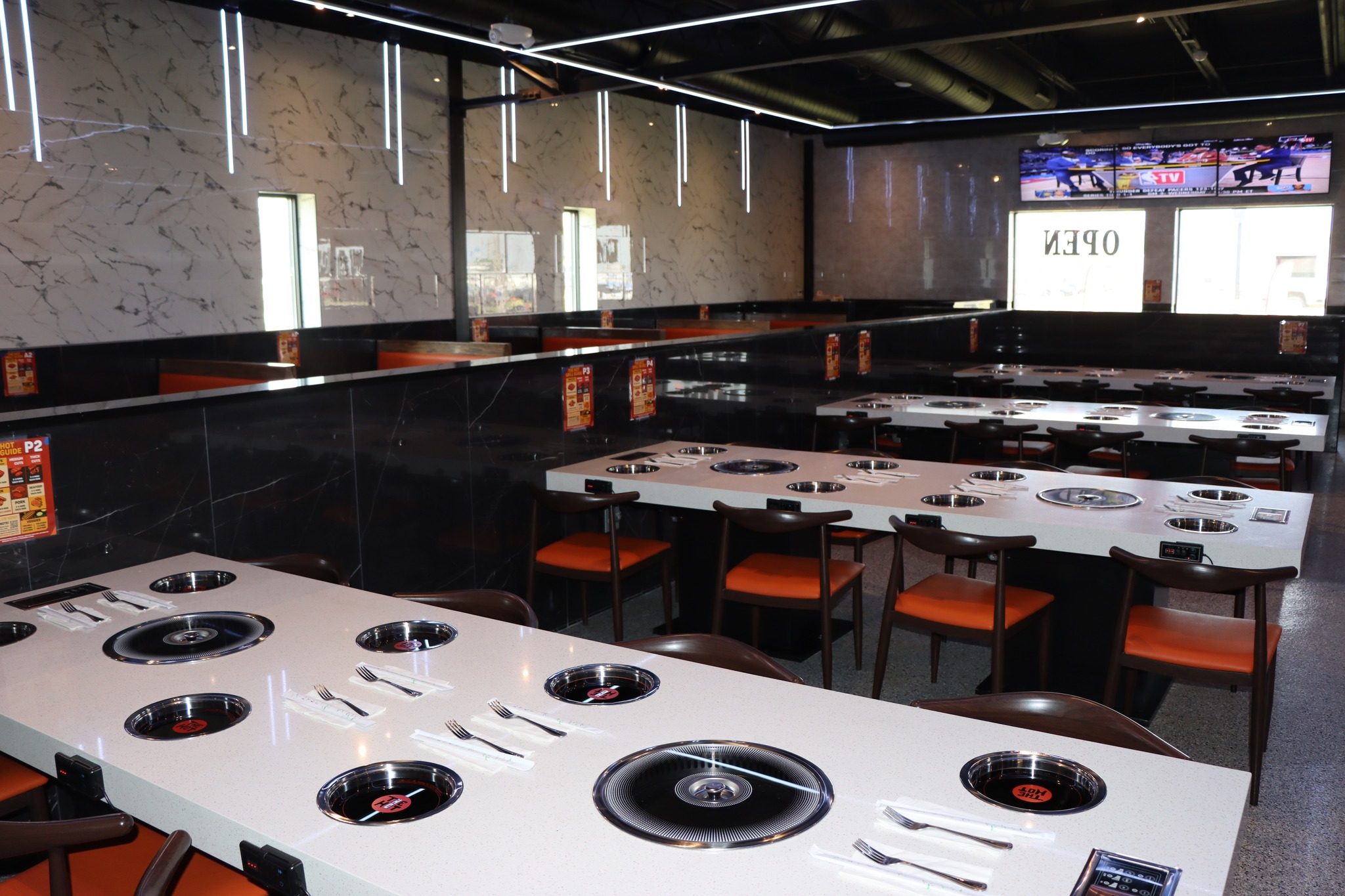
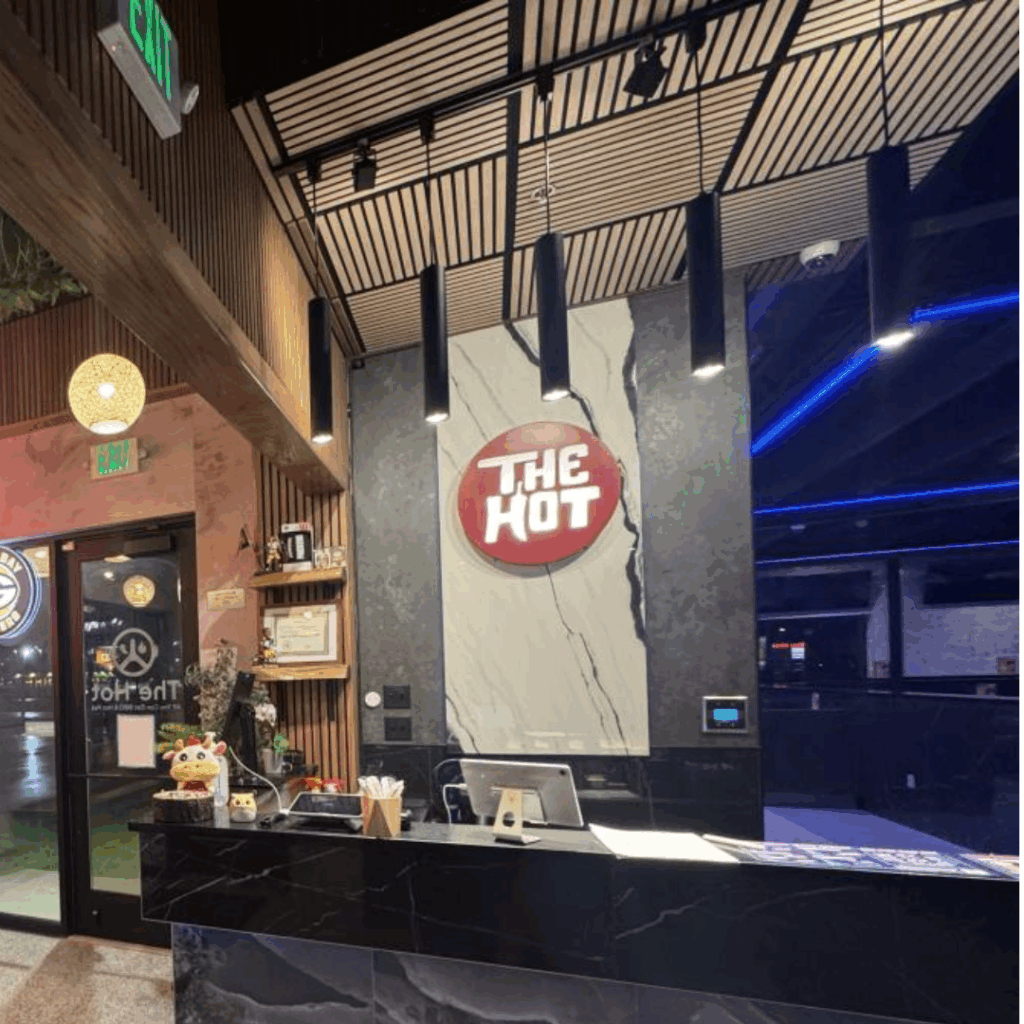
The Hot – Green Bay – Unique Fabrication = Unique Dining Experience

Unique Fabrication = Unique Dining Experience

Quest Interiors at The Hot in Green Bay

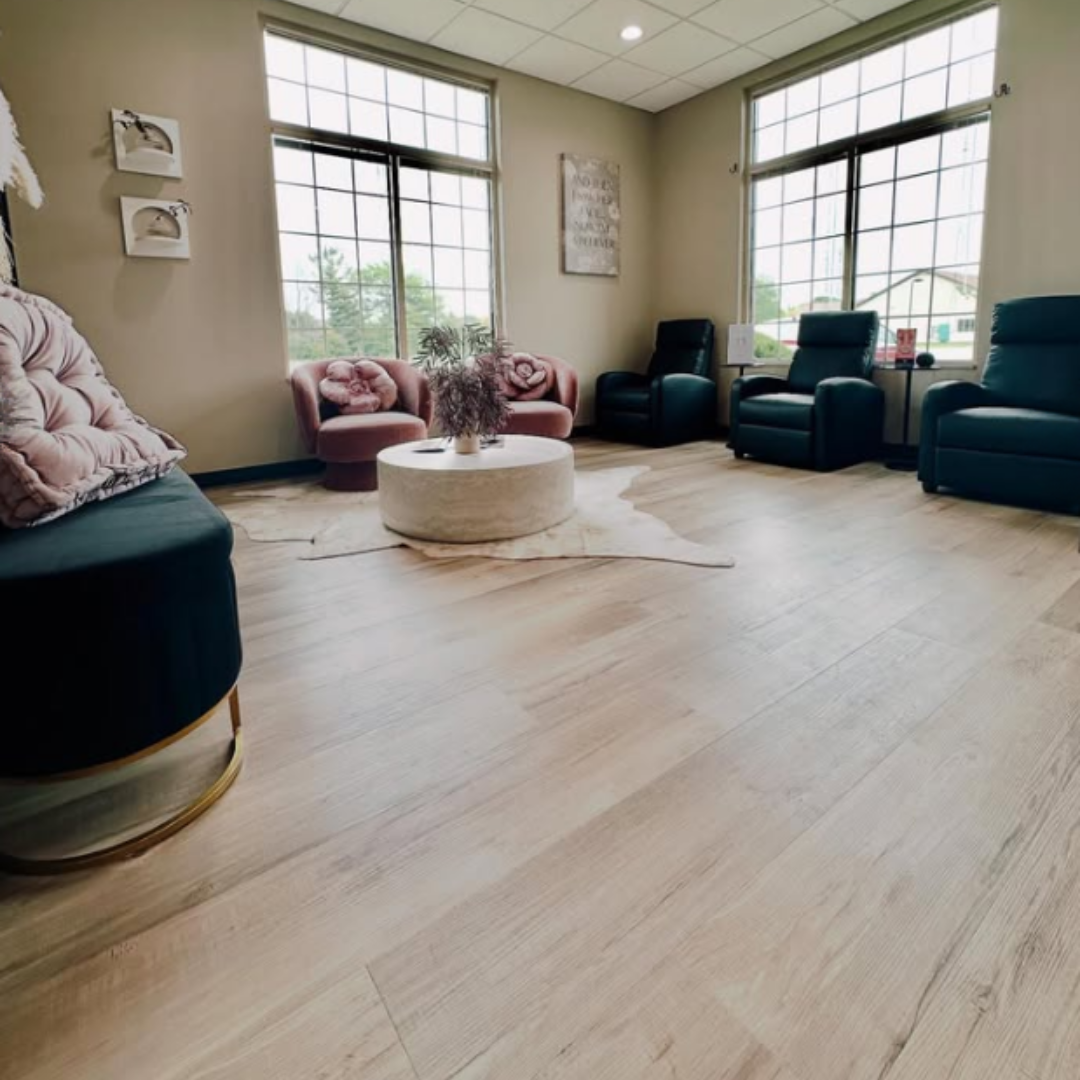
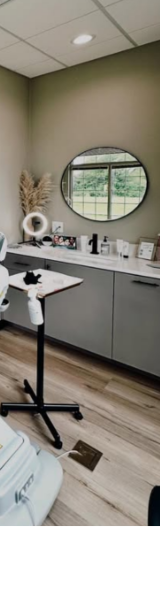
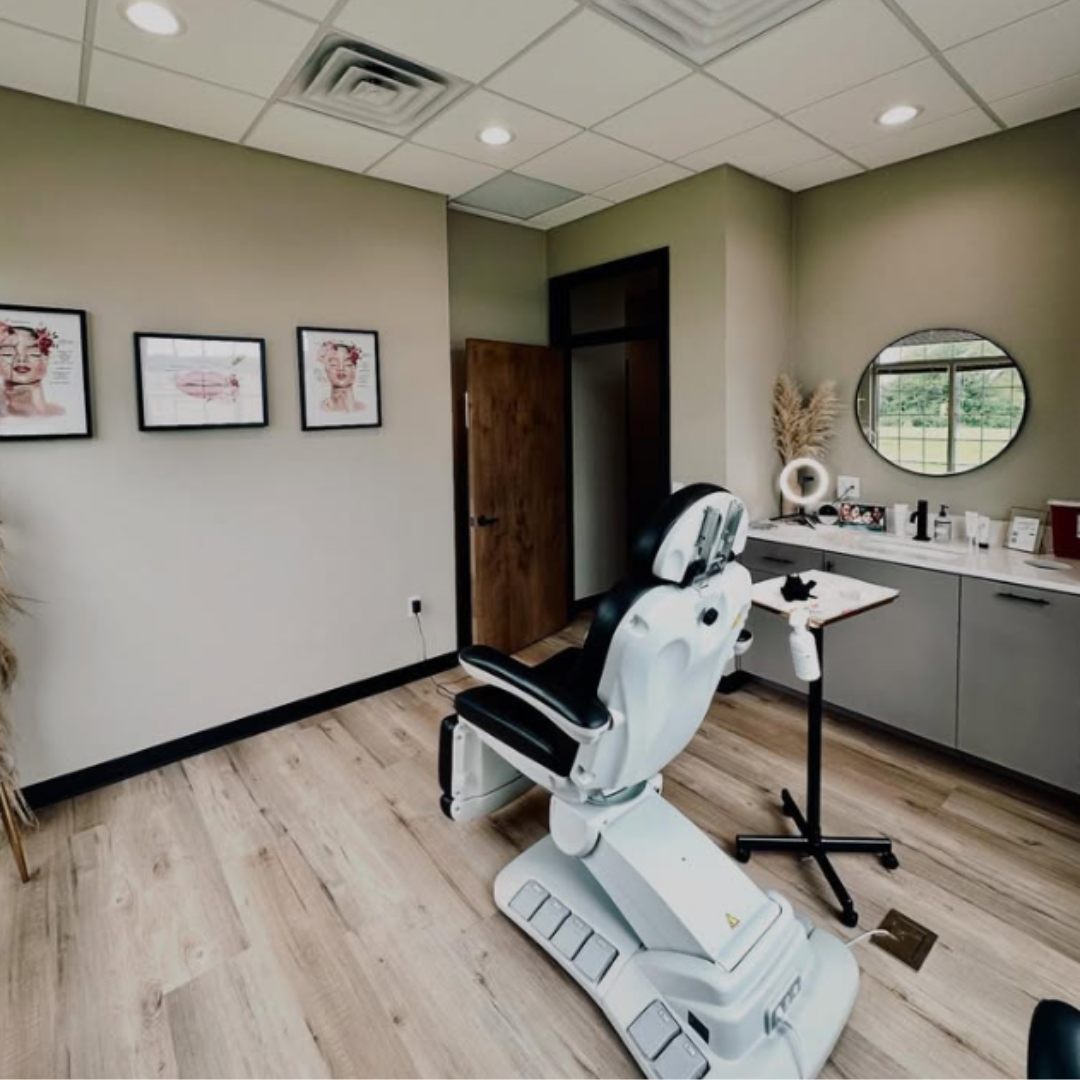
Mauve Medical – Burg Homes

New Space for Mauve Medical

A Mauvelous Transformation

Inspired Flooring

Floating flooring locking mechanism, why it matters?

Why Your Floating Floor’s Locking Mechanism Matters More Than You Think (and Why Uniclic Often Wins)

The Unseen Hero:

Floating flooring locking mechanism, why it matters?

Share
Email

When you’re dreaming of new floors, your mind probably conjures images of beautiful finishes, stylish colors, and the overall transformation of your space. Whether it’s sleek laminate flooring, durable SPC flooring, or comfortable WPC flooring, the visual appeal is paramount. But beneath that stunning surface lies a critical component, especially in floating flooring systems: the locking mechanism. This intricate design is the unsung hero that holds your floor together, ensuring stability, longevity, and ease of flooring installation.

While several locking systems compete for dominance, one consistently rises to the C_H_A_L_L_E_N_G_E due to its robust design and installation flexibility: the Unilin/Uniclic system. This article will delve into the world of floating floor locking mechanisms, explore the common types, and make a case for why Uniclic often provides a superior experience and outcome compared to popular alternatives like generic “drop and lock,” I4F, and Välinge systems.


Floating flooring locking mechanism, why it matters?

Share
Email

Part 1: Understanding Floating Floors and the Crucial Role of Locking Systems

A floating flooring system is one where the individual planks or tiles connect to each other, but not directly to the subfloor. Instead, the assembled floor “floats” on top, often with an underlayment cushion beneath. This method is popular for several reasons:

  • DIY-Friendly: It typically doesn’t require adhesives or nails (for the main installation), making it accessible for home enthusiasts.
  • Versatility: Can be installed over various subfloors, including concrete, wood, and even existing resilient flooring, provided the subfloor is clean, flat, and sound.
  • Expansion & Contraction: Allows the floor to expand and contract naturally with changes in temperature and humidity, reducing the risk of buckling or gapping if proper expansion gaps are left around the perimeter.
  • Cost-Effective: Can reduce installation costs compared to glue-down or nail-down methods.

The magic that holds these floating floors together lies in their locking mechanisms, also known as “click systems.” These are precisely milled profiles on the edges of each plank—a tongue on one side and a groove on the other—designed to interlock securely.

Why are these systems so crucial?

  1. Stability: A good locking system prevents planks from shifting or separating under foot traffic and the weight of furniture.
  2. Seam Integrity: It ensures tight, almost invisible seams between planks, which not only looks better but also prevents dirt and moisture from easily penetrating the joints (though most click floors are not waterproof at the seams themselves unless specifically designed as such).
  3. Durability: The strength of the lock directly impacts the floor’s ability to withstand daily wear and tear, stresses from an uneven subfloor (though subfloors should always be prepped to manufacturer specs!), and movement over time.
  4. Ease of Installation: While all click systems aim for ease, some are genuinely more user-friendly and forgiving, especially in tricky areas like doorways or the last row.

The evolution from traditional tongue-and-groove (which required glue or nails) to glueless click systems revolutionized the laminate flooring market in the late 1990s and has since become standard for SPC flooring and WPC flooring as well.

Part 2: The Contenders – A Look at Common Locking System Types

Before we crown a champion, let’s understand the main players in the locking mechanism arena. It’s important to note that “Drop and Lock,” I4F, and Välinge are not always mutually exclusive categories, as I4F and Välinge are licensors of various click technologies, some of which might incorporate drop-and-lock features. Unilin is also a major licensor.

1. Generic “Drop and Lock” (or Fold-Down) Systems:

  • How it Works: Typically, the long edge of a plank is inserted at an angle into the long edge of the previously installed plank and then lowered. The short end of the new plank is then aligned with the short end of the adjacent plank in the same row and pressed or “dropped” down. Often, a light tap with a mallet and tapping block might be needed to fully engage the short-end lock.
  • Pros:
    • Can be very fast for installing long, straight runs of flooring.
    • Often marketed as the “easiest” for beginners due to the simple drop-down action on the short end.
  • Cons:
    • Short-End Weakness: The primary concern. The locking mechanism on the short end is often less robust than the long-end angle lock. It can be more susceptible to disengaging under stress or if the subfloor isn’t perfectly flat.
    • Installation Difficulty in Tight Spaces: Can be challenging to engage the “drop” mechanism under door jambs, radiators, or in the last row where angling space is limited. This often forces installers to use less ideal methods (like shaving the lock) which can compromise the joint.
    • Potential for Damage: If not perfectly aligned, forcing the drop can damage the relatively delicate locking profile on the short end.
    • Gapping Over Time: The simpler short-end connection may be more prone to slight gapping over years of use and seasonal changes, especially if the initial installation wasn’t perfect.

2. I4F (Innovations for Flooring) Technologies:

  • Website: https://i4f.com/ (Note: This link is for general information. I4F licenses various technologies.)
  • How it Works: I4F is a technology company that licenses a portfolio of locking systems, including their well-known “3L TripleLock” and “Click4U” systems. These are often “one-piece” drop-lock systems, meaning there’s no separate plastic insert. The mechanism allows for locking by angling the long side and then pressing down on the short side to click it into place. They emphasize speed and ease of installation.
  • Pros:
    • Speed: Designed for very fast flooring installation, appealing to professionals.
    • No Inserts: The one-piece design avoids issues with separate components.
    • Potentially Stronger than Basic Drop Locks: I4F’s engineering aims to provide a more secure connection than very generic drop-lock mechanisms.
  • Cons:
    • Still a Drop Lock at Heart: Many I4F systems fundamentally rely on a drop-lock principle for the short ends. While potentially more advanced, they can share some of the inherent limitations of drop-locks, especially regarding robustness in all situations compared to full angle-angle or tap systems.
    • Precision Required: Can sometimes require very precise alignment for the drop mechanism to engage properly without undue force.
    • Repair/Replacement: Disassembling planks with some drop-lock systems, including certain I4F profiles, can be trickier without damaging the locking edges compared to angle-angle systems that can be “un-angled.”

3. Välinge Innovation Technologies:

  • Website: https://www.valinge.se/ (Note: For general information. Välinge licenses various technologies.)
  • How it Works: Välinge is another major innovator and licensor of flooring technology. They are famous for their 2G angle-angle systems and the 5G family of fold-down systems.
    • 2G (Angle-Angle): A traditional and robust system where both the long and short sides are engaged by angling the plank.
    • 5G (Fold-Down/Drop Lock with variations like 5G-i, 5G-S, 5G-Dry, etc.): The most recognizable feature of many 5G systems is a flexible plastic or “glass-fiber reinforced” tongue on the short end of the plank. When the plank is folded down, this tongue compresses and then springs back into a groove on the adjacent plank, creating a lock. Some newer versions are “push-down” rather than fold-down.
  • Pros (particularly for 5G):
    • Extremely Fast Installation: 5G is renowned for its speed, as the short ends lock with a simple downward push.
    • Audible Click: Often provides a reassuring “click” sound, indicating the lock is engaged.
    • Strong Initial Lock (5G): The plastic tongue mechanism can provide a very secure initial vertical lock on the short end.
  • Cons:
    • The Plastic Tongue (5G): This is the most debated aspect.
      • Durability Concerns: While strong initially, plastic can become brittle over time, especially with temperature fluctuations or exposure (even indirectly) to UV light. There are anecdotal reports of these tongues breaking during installation if mishandled, or potentially failing years down the line, leading to gapping.
      • Not a “Solid” Lock: Some purists argue that introducing a dissimilar material (plastic) into the wood or composite plank creates a potential point of weakness or different expansion/contraction properties.
      • Cost: The technology and the insert can sometimes add to the product cost.
    • 2G Limitations: While robust, traditional 2G (angle-angle on both sides) requires more manipulation than fold-down systems, which slows down installation. It also requires space to angle the short ends, making tight spots difficult without specific techniques.
    • Repair/Disassembly (5G): Disassembling 5G planks without damaging the plastic tongue or the groove it locks into can be challenging. If a tongue breaks, that plank (or even adjacent planks) may be compromised.

Part 3: The Champion – Unilin/Uniclic and its Multi-Faceted Superiority

Unilin, now part of Mohawk Industries, was a pioneer in glueless locking technology with its Uniclic system. It has stood the test of time and remains a benchmark for performance and reliability.

  • Website: You can find information on Uniclic typically through Mohawk Flooring or Quick-Step (a Unilin brand) websites. For example: https://www.quick-step.co.uk/en-gb/stories/experts-talk/how-to-install-laminate-uniclic (This is a UK Quick-Step link, but illustrates the system.)

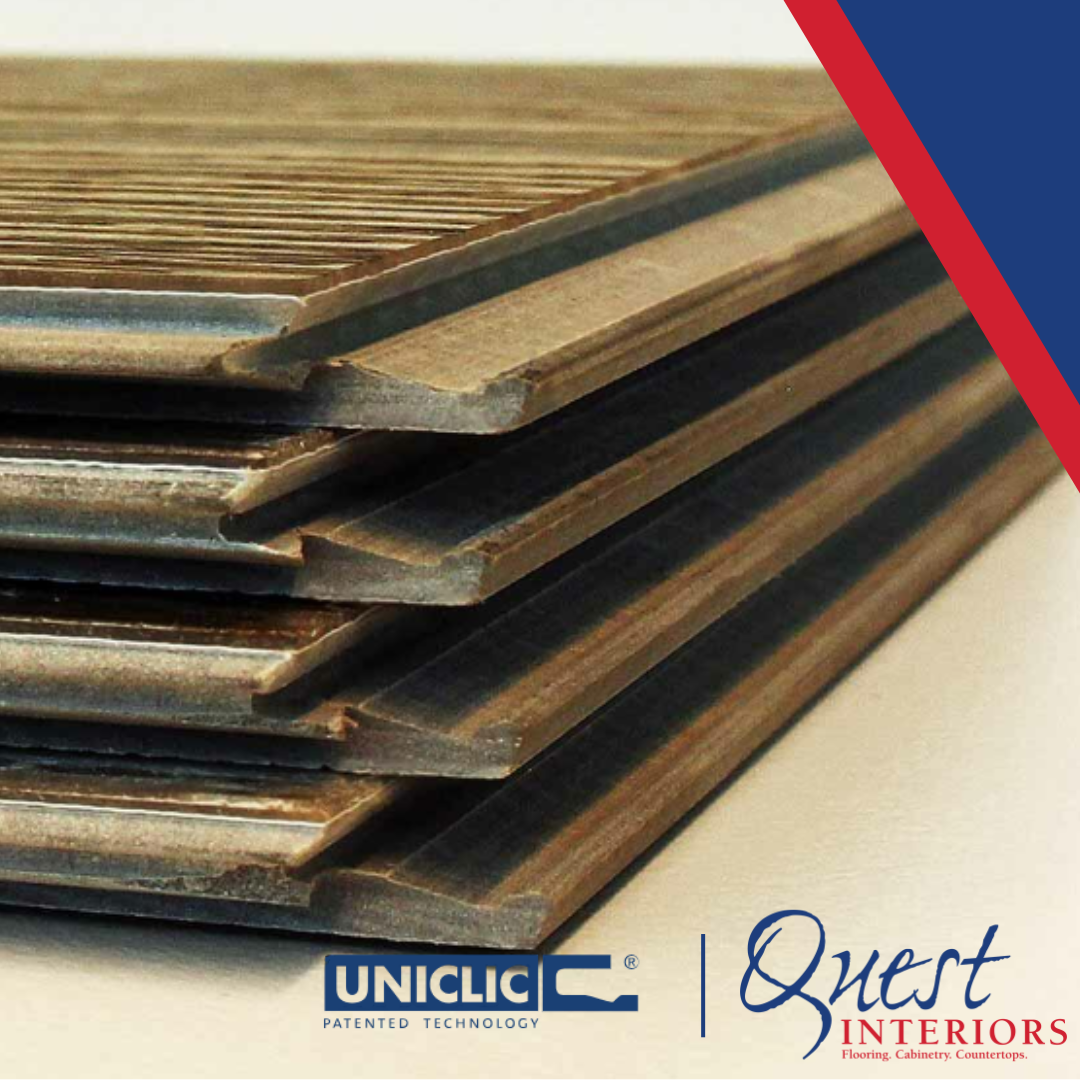
  • How it Works: The genius of the original Uniclic system (and its subsequent minor variations) lies in its unique, patented tongue-and-groove profile that allows for two distinct installation methods:

    1. Angle-Angle Method: This is the preferred method for most of the installation. You angle the long side of the new plank into the previous row, then, while still angled, you slide it until the short end meets the previously laid plank in the same row. You then push down, and both the long and short ends lock simultaneously. This creates an incredibly strong and tight mechanical lock on all four sides, primarily by engaging substantial material from the core of the plank itself.

    2. Tap-In (or Snap) Method: This is where Uniclic truly shines and differentiates itself, especially from drop-lock systems. For areas where angling is difficult or impossible (like under door jambs, the last plank in a row, or against fixed obstacles), you can engage the long side, then place the short end of the new plank next to the short end of the previous plank. Using a special Uniclic tapping block that fits the profile and a hammer, you gently tap the planks together horizontally. The design of the Uniclic profile allows the short ends to slide and then “click” or “snap” into place, creating a secure horizontal lock without needing to lift or angle the plank significantly.

Why Uniclic is Often the Better Option:

  1. Unmatched Installation Versatility (The “Two Methods” Advantage):

    • This is arguably Uniclic’s biggest advantage. While drop-locks struggle in tight spots and Välinge 5G still needs that downward “drop” motion, Uniclic’s tap-in capability is a game-changer. You don’t have to shave off locking lips (compromising the joint) or fight to get clearance.
    • Under Door Jambs: Uniclic allows you to slide planks under pre-cut door jambs and then tap them into place seamlessly. Try doing that cleanly with a system that only drops or requires a significant angle on the short end!
    • Last Row / Against Walls: The tap-in method makes finishing the last row much easier and results in a more secure lock than trying to force a drop-lock mechanism with a pull bar in limited space.
    • Complex Room Layouts: For rooms with many angles, nooks, or obstacles, the tap-in method saves immense time and frustration, leading to a better quality flooring installation.
  2. Superior Joint Strength and Stability:

    • Robust Profile: The Uniclic profile is designed for maximum material engagement. The tongue and groove are substantial, utilizing the core material of the plank itself (whether it’s HDF for laminate flooring, or a stone-polymer composite for SPC flooring, or wood-polymer for WPC flooring).
    • Pre-Tension: The Uniclic design creates a constant tension between the planks, actively pulling them together. This helps to resist gapping over time due to seasonal humidity changes or minor subfloor movements.
    • Four-Sided Lock Integrity: Unlike drop-locks which often have a less robust short-end connection, Uniclic’s angle-angle method (and even the tap-in method when done correctly) aims for comparable strength on all four sides of the plank. This results in a more monolithic and stable floor surface.
  3. Enhanced Durability and Longevity:

    • Resistance to Pull-Apart: The inherent tension and deep engagement of the Uniclic profile make it highly resistant to horizontal pulling forces. This is crucial in high-traffic areas or under heavy furniture.
    • Better Performance on Slightly Imperfect Subfloors: While no locking system can compensate for a very poor subfloor, Uniclic’s robust design and pre-tension can often handle minor subfloor imperfections (within manufacturer tolerances, of course) better than more delicate drop-lock systems or those relying on plastic inserts that might be stressed by subfloor deviations.
    • No Fragile External Components: Unlike systems that rely on separate plastic inserts (like some 5G variations), Uniclic’s locking strength comes from the plank core itself. There are no small plastic pieces to break off during installation or fail over time.
  4. Ease of Use (True Ease, Not Just Perceived Speed):

    • While some drop-lock systems are marketed for sheer speed in open areas, Uniclic offers a more holistic “ease of use.” The forgiveness of the system, combined with the two installation methods, means fewer frustrations and workarounds for the installer (whether DIY or professional).
    • Less “Fiddly”: Drop-lock systems can sometimes require perfect alignment to engage, and if misaligned, can be damaged. Uniclin’s angling and tapping methods often feel more intuitive and less prone to accidental damage if reasonable care is taken.
    • Clear Engagement: While it might not always have the loud “snap” of a 5G, the engagement of Uniclic is usually tactile and visible, giving confidence that the lock is secure.
  5. Repairability and Disassembly:

    • Planks installed with the angle-angle method can generally be disassembled by carefully angling them up and out, often without damaging the locking profile, provided care is taken. This is a significant advantage if a plank needs to be replaced mid-floor.
    • While no click floor is “easy” to repair in the middle, Uniclic is generally more forgiving than systems where the short-end lock is easily damaged upon disassembly or relies on a one-time-use plastic clip.

Part 4: Head-to-Head – Why Uniclic Edges Out the Competition

Let’s make some direct comparisons based on the points above:

  • Uniclic vs. Generic Drop and Lock:

    • Key Differentiator: Short-end integrity and installation in tight spaces.
    • Uniclic’s tap-in method is far superior for difficult areas. Its angled short-end connection (when using the primary method) is inherently stronger and more resistant to gapping than the simple vertical drop of most generic systems. Drop-locks often compromise short-end strength for speed.
  • Uniclic vs. I4F (e.g., 3L TripleLock):

    • Key Differentiator: Installation flexibility and proven long-term robustness without relying solely on a drop-lock mechanism.
    • While I4F systems are fast and an improvement over basic drop-locks, many still function primarily as drop-locks on the short end. Uniclic’s dual-method approach provides solutions I4F can’t easily match in confined areas. The long history of Uniclic also provides more real-world evidence of its longevity across various product types (laminate, SPC, WPC).
  • Uniclic vs. Välinge (specifically 5G systems):

    • Key Differentiator: No plastic inserts and superior versatility.
    • The plastic tongue in Välinge 5G is its Achilles’ heel for many. While fast, the potential for breakage during installation, or degradation over the floor’s lifespan, is a concern Uniclic doesn’t share because its lock is integral to the plank. Furthermore, 5G still requires that downward pressure for the short end, making the Uniclic tap-in method more adaptable for tricky spots. While Välinge’s traditional 2G (angle-angle) is robust, it lacks the tap-in versatility of Uniclic.

A Note on Licensing: It’s worth mentioning that Unilin, Välinge, and I4F are all major patent holders and licensors of flooring technologies. You might find floors from various manufacturers using licensed versions of these systems. However, the “original” Uniclic system, often found in brands directly associated with Unilin/Mohawk (like Quick-Step, Pergo in some regions, and various Mohawk lines), typically embodies the full benefits discussed. Always check the specific product’s locking system details.

Part 5: Real-World Implications and Best Practices for Any Locking System

Regardless of the locking system, a successful flooring installation of laminate flooring, SPC flooring, or WPC flooring depends on several factors:

  1. Subfloor Preparation is KING: No locking system can perform optimally on an uneven, unstable, or dirty subfloor. Ensure your subfloor meets the flooring manufacturer’s flatness specifications (e.g., no more than a 3/16″ difference in 10 feet is a common requirement). Leveling compounds, sanding, or underlayment can address these issues.
  2. Read the Instructions: Every flooring product is slightly different. Always read and follow the specific manufacturer’s installation guidelines for your chosen product.
  3. Acclimatization: Acclimate the flooring in its unopened packaging in the room where it will be installed for the manufacturer-recommended time (usually 48-72 hours). This allows the planks to adjust to the ambient temperature and humidity.
  4. Expansion Gaps: ALWAYS leave the recommended expansion gap (typically 1/4″ to 3/8″) around the entire perimeter of the room, including around pipes, door frames, and any fixed objects. This allows the floating flooring to move naturally. Baseboards and quarter-round molding will cover these gaps.
  5. Use the Right Tools: A tapping block designed for your specific locking profile, a pull bar, a jamb saw, spacers, and a soft-faced mallet are essential. Using improper tools can damage the locks.
  6. Stagger Seams: Stagger the short-end seams between rows (usually by at least 8-12 inches) for visual appeal and structural integrity. Avoid “H” patterns where seams line up.

While Uniclic can be more forgiving, neglecting these fundamental best practices can compromise even the best locking system.

Part 6: The Enduring Value of a Superior Lock

In the competitive world of floating flooring, manufacturers are constantly innovating. New locking systems and variations emerge, often touting increased speed or simplified actions. However, the Unilin/Uniclic system has maintained its esteemed position for decades for fundamental reasons:

  • It solves real-world installation problems elegantly.
  • It provides a demonstrably strong and durable mechanical connection.
  • It avoids reliance on potentially vulnerable components like plastic inserts.

When choosing your next laminate flooring, SPC flooring, or WPC flooring, look beyond just the surface. Ask about the locking system. Consider the complexity of your room layout. Think about the long-term performance you expect. While other systems have their place and can perform adequately under ideal conditions, the versatility, strength, and proven track record of Unilin/Uniclic often make it the smarter, more reliable choice for both DIY enthusiasts and professional installers seeking a high-quality, lasting flooring installation. It’s an investment in peace of mind, plank by plank.

Get Started Today!

Fill out the form and one of our dedicated project managers will reach out right away.

This field is for validation purposes and should be left unchanged.
What products are you interested in?(Required)
Please let us know what services or products you would like more information about. (select all that apply)
OPTIONAL OPT-IN FOR SMS TEXT MESSAGING
By checking the boxes below, you are opting to receive messages via text message from Quest Interiors.

Solid vs. Engineered Hardwood

Making the right choice

Solid or Engineered Hardwood, which is better?

Solid vs. Engineered Hardwood

Share
Email

Hardwood flooring possesses a timeless allure, bringing natural warmth, character, and enduring value to any home. Whether you’re building new, renovating, or simply refreshing a room, the choice of hardwood can dramatically elevate your space. Here at Quest Interiors, with beautiful showrooms in Fond du Lac and Oshkosh, Wisconsin, we guide homeowners through the myriad of flooring options every day. One of the most common, yet crucial, decisions our clients face is choosing between solid pre-finished hardwood and engineered hardwood.

While both offer the unmistakable beauty of real wood, their construction, performance characteristics, and ideal applications differ significantly. Understanding these differences is key to selecting a floor that not only looks stunning but also performs reliably for years to come, especially given Wisconsin’s distinct seasonal climate changes.

This comprehensive guide will delve into the nuances of solid and engineered hardwood, explore the critical role of your home’s environment, introduce advanced monitoring technology, and highlight some of the exceptional brands we carry, including Anderson Tuftex, Mannington, Mohawk, Shaw, and Paramount Flooring. Our goal is to empower you with the knowledge needed to make an informed decision for your home improvement project.

Solid vs. Engineered Hardwood

Share
Email

The Classic Choice: Solid Pre-Finished Hardwood Flooring

For centuries, solid hardwood has been the gold standard for flooring. As the name implies, each plank is milled from a single, solid piece of timber – typically 3/4 inch thick. Species range from domestic favorites like Oak, Maple, Hickory, and Cherry to more exotic options, each offering unique grain patterns, colors, and hardness characteristics.

What does “Pre-finished” Mean?

While traditional solid hardwood was often installed raw (unfinished) and then sanded and finished on-site, today’s pre-finished solid hardwood offers significant advantages. The finish (stain and protective topcoats) is applied in a controlled factory environment. This results in:

  • Enhanced Durability: Factory-applied finishes, often UV-cured aluminum oxide or similar advanced coatings, are typically much harder and more durable than site-applied finishes.
  • Faster, Cleaner Installation: Since the sanding and finishing are already done, installation is quicker, less disruptive, and produces significantly less dust and fumes in your home.
  • Predictable Quality: You see the exact color and finish before installation, eliminating guesswork. Factory processes ensure greater consistency across planks.
  • Immediate Use: Once installed, the floor is ready to walk on immediately – no waiting for finishes to cure.

Pros of Solid Pre-Finished Hardwood:

  1. Unmatched Longevity: This is arguably the biggest advantage. Solid hardwood can be sanded down and refinished multiple times over its lifespan (potentially spanning 100+ years!). Each refinishing removes scratches and wear, essentially restoring the floor to a like-new appearance. You can even change the stain color during refinishing if your style evolves.
  2. Authentic Beauty and Feel: There’s an undeniable authenticity to a floor crafted from a single piece of wood. It offers a classic look and solid underfoot feel that many homeowners cherish.
  3. Increases Home Value: Real estate professionals consistently report that homes with solid hardwood floors often sell faster and command higher prices. It’s a recognized mark of quality and desirability.
  4. Variety: Available in a vast array of wood species, stains, plank widths (though stability can be a concern with very wide solid planks), and surface textures (smooth, lightly scraped, wire-brushed).

Cons of Solid Pre-Finished Hardwood:

  1. Sensitivity to Moisture and Humidity: Wood is a natural, hygroscopic material, meaning it absorbs and releases moisture from the air.
  • High Humidity (Wisconsin Summers): Solid wood expands. If expansion is excessive, planks can push against each other, leading to “cupping” (edges higher than the center) or even “buckling” (lifting off the subfloor).
  • Low Humidity (Wisconsin Winters with Heating): Solid wood shrinks. This can cause noticeable gaps to appear between planks.
  1. Installation Limitations: Solid hardwood is typically not recommended for installation below ground level (basements) due to potential moisture issues from the concrete slab or surrounding earth. It’s also generally unsuitable for high-moisture areas like full bathrooms. Installation is usually limited to nail-down or staple-down methods over a wood subfloor.
  2. Dimensional Stability: While installers leave expansion gaps around the perimeter, significant or rapid environmental swings can still cause movement within the floor field itself, especially with wider planks.

Brands Offering Solid Hardwood at Quest Interiors:

Reputable manufacturers like Mohawk Flooring, Shaw Floors, Hallmark, and Paramount Flooring offer excellent selections of solid pre-finished hardwood. They provide various species, finishes, and styles, backed by strong warranties when installed and maintained correctly. Quest Interiors can show you beautiful examples from these trusted brands.

Solid vs. Engineered Hardwood

Share
Email

The Innovative Solution: Engineered Hardwood Flooring

Engineered hardwood is a marvel of modern flooring technology, designed specifically to address the inherent stability challenges of solid wood while retaining its authentic beauty. It is real wood flooring, but its construction is different.

An engineered plank consists of multiple layers (plies) of wood, wood composite (like HDF – High-Density Fiberboard), or plywood bonded together under heat and pressure. The top layer, known as the “wear layer” or “veneer,” is a slice of genuine premium hardwood – the same beautiful Oak, Maple, Hickory, Walnut, etc., used in solid flooring. Below this visible surface layer are core layers, typically oriented in a cross-grain configuration (each layer perpendicular to the one above and below it).

How Does This Construction Help?

This cross-ply construction is the secret to engineered hardwood’s stability. Wood naturally expands and contracts primarily across its grain. By alternating the grain direction of the core layers, the forces of expansion and contraction largely counteract each other within the plank. This makes engineered wood significantly less reactive to changes in humidity and temperature compared to solid wood.

Pros of Engineered Hardwood:

  1. Enhanced Dimensional Stability: This is the primary benefit. Engineered hardwood is much less likely to gap, cup, or buckle due to seasonal humidity fluctuations common in Wisconsin. This stability makes it suitable for wider plank formats.
  2. Installation Versatility: Thanks to its stability, engineered hardwood can be installed in virtually any room and on any level of the home, including basements and directly over concrete slabs (with appropriate moisture barriers/underlayment). Installation methods are also more flexible: glue-down, staple-down, nail-down, or “floating” (where planks click together or are glued at the tongue-and-groove without being adhered to the subfloor) are often possible, depending on the specific product and subfloor.
  3. Suitable for Radiant Heat: Many engineered hardwood products are approved for installation over radiant heating systems, whereas solid wood is generally not recommended. (Always verify manufacturer specifications!).
  4. Aesthetic Variety: The surface looks identical to solid hardwood because it is solid hardwood on top! You get the same range of species, stains, finishes, and textures (smooth, hand-scraped, wire-brushed, distressed). Brands like Anderson Tuftex are renowned for their design-forward engineered styles, often featuring wide planks and sophisticated textures.
  5. Resource Efficiency: Because only the top layer uses the premium hardwood species, engineered flooring makes more efficient use of slower-growing trees compared to solid hardwood. Mannington, for instance, highlights this environmental benefit, noting engineered wood uses about half as many trees as solid.

Cons of Engineered Hardwood:

  1. Limited Refinishing: Unlike solid wood’s multiple refinishing potential, engineered hardwood’s ability to be sanded and refinished depends entirely on the thickness of its top hardwood veneer (wear layer).
  • Thinner veneers (1-2mm) may not be refinishable at all, or perhaps only lightly screened and recoated.
  • Thicker veneers (3mm+) might allow for 1-3 refinishes over the floor’s lifetime. High-quality engineered products, like some offered by premium brands, may have veneers as thick as 4-6mm, offering refinishing potential closer to (but still less than) solid wood.
  1. Perceived Value (Historically): While perceptions are changing rapidly, some traditionalists may still view solid wood as more “premium.” However, high-quality engineered flooring often commands similar price points and offers distinct performance advantages.
  2. Quality Varies: The quality and performance of engineered flooring can vary significantly based on the thickness and species of the wear layer, the quality and type of core material (plywood vs. HDF), and the manufacturing process. Opting for reputable brands ensures higher quality construction and materials.

Solid vs. Engineered Hardwood

Share
Email
Feature Solid Pre-Finished Hardwood Engineered Hardwood
Construction Single piece of solid timber Real wood top layer + layered core (ply/HDF)
Thickness Typically 3/4″ Varies (e.g., 3/8″ to 3/4″)
Stability More susceptible to humidity/temp changes More dimensionally stable
Installation Above grade, wood subfloor, nail/staple All levels, concrete/wood subfloor, multiple methods
Refinishing Multiple times (5+) 0 to 3+ times (depends on veneer thickness)
Radiant Heat Generally not recommended Often compatible (check manufacturer specs)
Plank Width Wider widths less stable More stable in wider formats
Appearance Authentic wood look & feel Authentic wood look (surface is real wood)
Moisture Areas Not ideal for basements, full baths Better choice for basements, kitchens
Environmental Uses more premium wood per sq. ft. Uses less premium wood per sq. ft.

Get Started Today!

Fill out the form and one of our dedicated project managers will reach out right away.

This field is for validation purposes and should be left unchanged.
What products are you interested in?(Required)
Please let us know what services or products you would like more information about. (select all that apply)
OPTIONAL OPT-IN FOR SMS TEXT MESSAGING
By checking the boxes below, you are opting to receive messages via text message from Quest Interiors.

Navigating the Robotic Realm

Navigating the Robotic Realm

Your Floors’ Best Friend (and Potential Tiny Tyrant)

Navigating the Robotic Realm

Share
Email

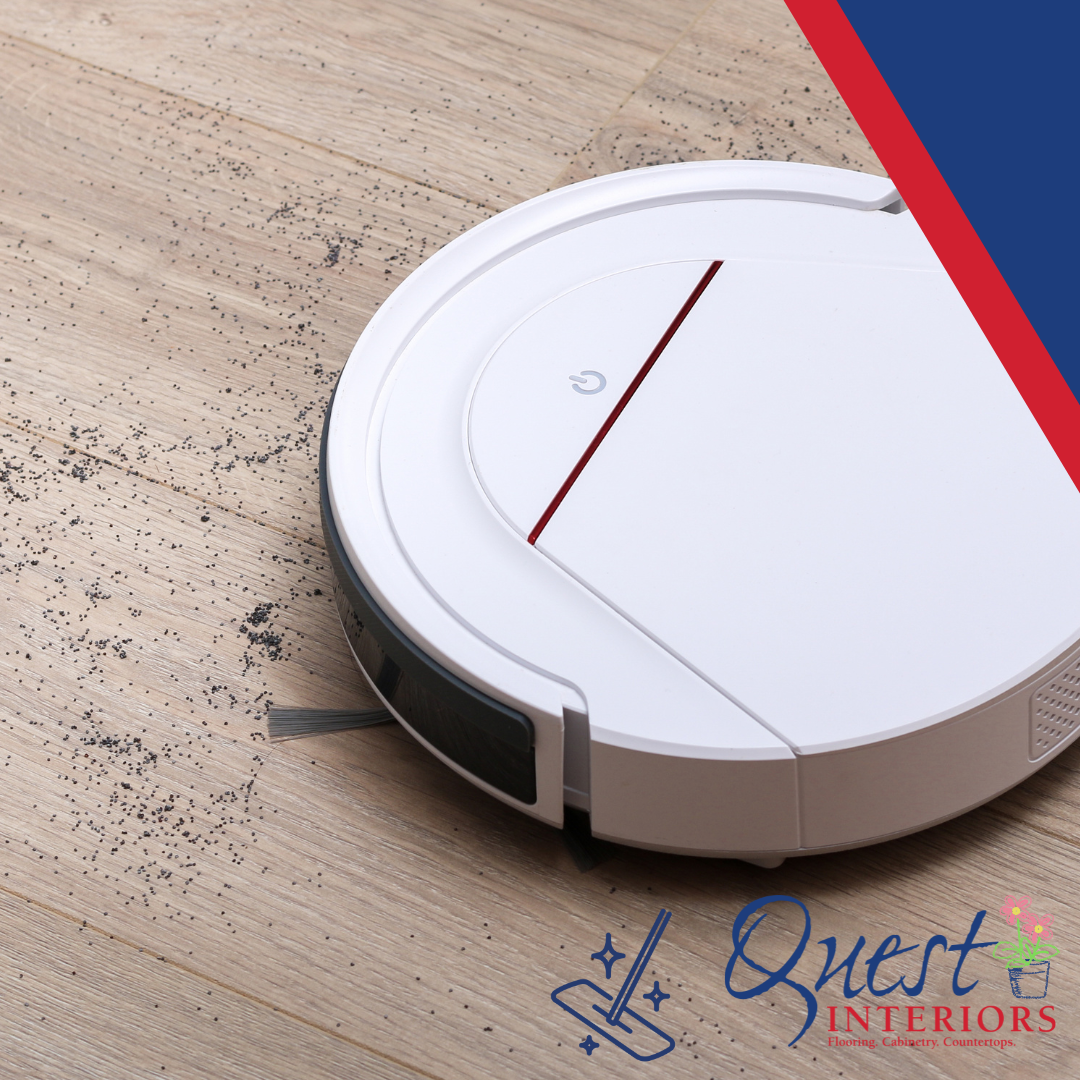
The advent of robotic vacuums has revolutionized home cleaning, offering a hands-free approach to maintaining pristine floors (according to matic Brands like Shark, iRobot (Roomba), and Ecovacs have emerged as leaders in this space, each offering a diverse array of models with varying features and capabilities. However, when considering the integration of these automated cleaners into your home, it’s crucial to understand their potential impact on your flooring and carpet warranties.

The Rise of Robotic Vacuum Technology

Robotic vacuums have evolved significantly from their early, rudimentary iterations. Modern models boast sophisticated navigation systems, powerful suction, and specialized brushes designed to tackle a variety of surfaces. These advancements have made them a popular choice for homeowners seeking to minimize the effort required to maintain clean floors.

  • Shark: Known for its innovative designs and powerful suction, Shark offers robotic vacuums with features like self-emptying bases and multi-surface brush rolls.
  • iRobot (Roomba): A pioneer in the robotic vacuum industry, Roomba is recognized for its intelligent navigation and adaptable cleaning systems.
  • Ecovacs: Ecovacs has carved a niche with its focus on advanced mapping and mopping capabilities, often combining vacuuming and mopping in a single device.

These devices can be used on many different types of flooring. From hardwood flooring to carpeting, they are designed to clean a variety of surfaces.

Flooring and Carpet Warranties: A Delicate Balance

Flooring and carpet manufacturers, such as Shaw Carpeting, Mohawk Carpeting, and Dreamweaver Carpeting, offer warranties to protect consumers against manufacturing defects and premature wear. These warranties often include specific maintenance guidelines that must be followed to remain valid. Similarly, warranties for floating flooring, tile flooring, and SPC flooring, also have specific guidelines. Deviations from these guidelines, including the use of inappropriate cleaning methods or tools, can potentially void the warranty.

Potential Benefits of Robotic Vacuums for Flooring and Carpet Maintenance

In theory, robotic vacuums can contribute to maintaining the cleanliness required by many flooring and carpet warranties. Regular, consistent cleaning can:

  • Minimize abrasive particle accumulation: Dust, dirt, and debris can act as abrasives, causing premature wear on flooring and carpeting. Robotic vacuums can help remove these particles before they cause significant damage.  They are also easy to use.
  • Reduce allergen buildup: Robotic vacuums equipped with HEPA filters can trap allergens, contributing to a healthier indoor environment. This is especially beneficial for individuals with allergies or respiratory sensitivities.
  • Maintain aesthetic appeal: Regular cleaning helps preserve the appearance of flooring and carpeting, preventing discoloration and dullness. This is important for preserving the look of expensive carpeting, and flooring installation.
  • Assist in keeping floating flooring clean: Floating flooring such as SPC flooring can be damaged by excessive moisture, so dry vacuuming is very helpful.

Potential Risks and Warranty Implications

While robotic vacuums offer numerous benefits, certain factors can compromise flooring and carpet warranties:

  • Incorrect brush roll type: Some robotic vacuums may have aggressive brush rolls that can damage delicate carpeting or scratch hardwood flooring.   Manufacturers often specify the type of cleaning tools that are safe for use on their products. Using an inappropriate brush roll could void the warranty.
  • Excessive moisture: Robotic vacuums with mopping capabilities can pose a risk to certain flooring types, especially hardwood and laminate. Excessive moisture can cause warping, swelling, and delamination, potentially voiding the warranty.  Watch out for robots that offer steam cleaning options as moisture can be bad for many types of flooring.   
  • Inadequate suction: If a robotic vacuum lacks sufficient suction, it may not effectively remove debris, allowing abrasive particles to remain on the flooring or carpeting. This can lead to premature wear and potentially invalidate the warranty.
  • Damage from collisions: Robotic vacuums can sometimes collide with furniture or baseboards, potentially causing damage.  While this may not directly void the flooring or carpet warranty, it could lead to damage that necessitates repairs, which may not be covered.
  • Carpet installation and Vacuum compatibility: Certain types of carpeting, especially those with high pile or delicate fibers, may not be compatible with all robotic vacuums. Check with your carpet installation professional, and your carpet manufacturer.
  • Shaw Carpeting, Mohawk Carpeting, and Dreamweaver Carpeting guidelines: It is vital to check the guidelines of each company. Each manufacturer has specific guidelines that must be followed.
  • Tile flooring and grouting: Robotic vacuums can sometimes displace grout, especially if the grout is old or damaged.

Recommendations for Safe and Warranty-Compliant Use

To minimize the risk of voiding your flooring or carpet warranty, consider the following recommendations:

  • Consult manufacturer guidelines: Always refer to the flooring or carpet manufacturer’s warranty and maintenance guidelines before using a robotic vacuum. Pay close attention to any specific cleaning instructions or restrictions.
  • Choose the appropriate brush roll: Select a robotic vacuum with a brush roll that is compatible with your flooring or carpeting. Many models offer interchangeable brush rolls designed for different surfaces.
  • Adjust suction settings: Utilize the robotic vacuum’s suction settings to match the flooring or carpet type.14 Lower suction settings are generally recommended for delicate carpeting and hardwood flooring.
  • Monitor mopping functionality: If using a robotic vacuum with mopping capabilities, ensure that the moisture level is appropriate for your flooring. Avoid excessive moisture on hardwood and laminate flooring.
  • Regularly inspect and maintain your robot vacuum: Clean the brush rolls, filters, and dustbin regularly to ensure optimal performance and prevent damage to your flooring or carpeting.
  • Test in an inconspicuous area: Before using a robotic vacuum on a large area, test it in an inconspicuous spot to ensure that it does not damage the flooring or carpeting.
  • Consider professional cleaning: For deep cleaning or specialized cleaning needs, consider hiring a professional flooring or carpet cleaning service.
  • Document your cleaning practices: Keep records of your cleaning practices, including the frequency and method of cleaning. This documentation can be helpful if you need to file a warranty claim.
  • Avoid using robotic vacuums on freshly installed flooring: Allow sufficient time for newly installed flooring or carpeting to settle before using a robotic vacuum. Check with your flooring installation professional for specific recommendations.
  • Be aware of floating flooring limitations: Floating flooring, such as SPC flooring requires care. Avoid excessive moisture, and be sure to remove any standing water quickly.
  • Tile flooring and Grout care: Be mindful of grout lines when using a robotic vacuum on tile flooring. Inspect grout regularly, and repair damaged grout promptly.

Robotic vacuums from brands like Shark, iRobot (Roomba), and Ecovacs can be valuable tools for maintaining clean floors and carpets.   However, it is essential to use them responsibly and in accordance with manufacturer guidelines to avoid voiding your warranties. By carefully selecting the appropriate robotic vacuum, adjusting settings, and adhering to maintenance recommendations, you can enjoy the convenience of automated cleaning without compromising the integrity of your flooring or carpeting. Always prioritize the manufacturer’s recommendations for your specific flooring and carpeting installation.


Quest Interiors, serving both Oshkosh and Fond du Lac , Wisconsin, consistently earns its reputation as the most recommended flooring store in the region. Their success stems from a commitment to providing an unparalleled customer experience. The professional and knowledgeable staff at Quest Interiors are experts in their field, offering personalized guidance through the vast selection of flooring options. Whether you’re seeking the perfect hardwood, tile, carpet, or luxury vinyl, they possess the expertise to match your needs with the ideal product. Quest Interiors distinguishes itself by offering exceptional style, showcasing the latest trends and timeless classics, coupled with exceptional savings. They understand that quality flooring is an investment, and they strive to provide competitive pricing without compromising on style or durability. This dedication to customer satisfaction, combined with their extensive product knowledge and commitment to value, makes Quest Interiors the clear choice for discerning homeowners in the Oshkosh and Fond du Lac areas.

Get Started Today!

Fill out the form and one of our dedicated project managers will reach out right away.

This field is for validation purposes and should be left unchanged.
What products are you interested in?(Required)
Please let us know what services or products you would like more information about. (select all that apply)
OPTIONAL OPT-IN FOR SMS TEXT MESSAGING
By checking the boxes below, you are opting to receive messages via text message from Quest Interiors.