

Summer Interior Prep Guide
Summer Interior Prep Guide
Getting Your Floors, Cabinets, and Countertops Ready for the Wisconsin Heat
How to Keep Your Home’s Best Assets from Cracking Under Wisconsin’s Summer Pressure

When summer arrives in Wisconsin, it brings vibrant lakeside afternoons, backyard barbecues, and beautiful, long-awaited sunshine. From boating on Lake Winnebago to enjoying the quiet charm of our small towns, summer is what we wait for all year. However, the season also brings a dramatic environmental shift that can wreak havoc on your home’s interior if you are unprepared.
When summer arrives in Wisconsin, it brings vibrant lakeside afternoons, backyard barbecues, and beautiful, long-awaited sunshine. From boating on Lake Winnebago to enjoying the quiet charm of our small towns, summer is what we wait for all year. However, the season also brings a dramatic environmental shift that can wreak havoc on your home’s interior if you are unprepared.
Whether you are looking to protect your existing surfaces or are browsing options for a professional installation to upgrade your home, prepping your interior for summer is crucial. This comprehensive guide will walk you through exactly how to safeguard your flooring, cabinetry, and countertops against the Great Lakes summer swell.
Shielding Your Flooring from the Summer Swell
Your floors bear the brunt of seasonal climate shifts. Because materials like wood are hygroscopic (meaning they naturally absorb and release moisture from the surrounding air), changes in relative humidity cause them to expand and contract.
In a typical Wisconsin winter, dry indoor air causes floors to shrink, leaving slight gaps. When summer hits, the reverse happens: your floors absorb airborne moisture and swell. Managing this movement requires understanding your specific material and taking proactive steps.
If you have classic hardwood flooring in Wisconsin, you likely have one of two local favorites underfoot:
Oak flooring: Renowned for its prominent grain patterns and exceptional durability against high foot traffic.
Maple flooring: A dense, clean-grained, and bright wood that serves as a staple of Midwestern home design.
While beautiful, both solid oak and maple are highly sensitive to high humidity. When they absorb too much moisture, the edges of the planks can lift higher than their centers—a damaging process known as cupping. In extreme scenarios, the expanding planks run out of room entirely, lifting off the subfloor and causing buckling.
Resilient Alternatives: The Rise of Engineered and Waterproof Options
If you are looking for an upgrade that handles the sticky summer months with far less stress, modern engineering has changed the game:
Vinyl flooring: High-quality luxury vinyl planks (LVP) mimic the exact look of real wood but are completely unaffected by environmental moisture.
Waterproof flooring: These multi-layer options are ideal for moisture-prone entryways, kitchens, and basements where summer humidity accumulates.
SPC flooring: Stone Plastic Composite (SPC) flooring features a core made from limestone and stabilizers. This creates an incredibly rigid, dimensionally stable plank that will not expand or contract, no matter how humid a Wisconsin July gets.
Regardless of your choice, achieving a flawless finish that resists structural shifting requires hiring an experienced, local flooring installer. Booking a team with highly rated 5 star reviews ensures the proper expansion gaps are left along your baseboards during flooring installation near me, preventing summer buckling before it ever starts.
Managing Indoor Climate and Humidity Across East-Central Wisconsin
You cannot protect your floors, cabinets, or countertops without addressing the root cause of summer damage: the indoor atmosphere. Whether you live right on the water in Winneconne or Omro, or further inland in Beaver Dam, Mayville, or Ripon, regional humidity levels can fluctuate wildly based on your proximity to local lakes and marshlands.
The Power of a Dehumidifier
The absolute best defense against the heavy summer air is a reliable dehumidifier. For the safety of natural wood products, your goal is to maintain a stable indoor relative humidity (RH) between 35% and 55%.
If your home’s RH climbs consistently above 60%—a common occurrence during peak summer in towns like Chilton, St. Cloud, or Fond du Lac—wood expands rapidly, adhesives can soften, and mold can take root in dark spaces like sink bases. Utilizing a whole-home dehumidifier integrated into your HVAC system—or running high-capacity standalone units in moisture-heavy zones like basements and kitchens—will effortlessly pull gallons of water out of the air daily, protecting your interior surfaces.
Proactive Climate Monitoring
To keep your flooring stable, we recommend monitoring your home’s environment with a hygrometer. Ideally, your home should stay between 30% and 50% relative humidity. Many of our clients find success integrating AprilAire whole-home humidification systems into their HVAC to ensure consistent levels year round.
Consistency is far more important to your home’s interior than hitting a single, perfect number. Rapid, drastic swings in climate cause materials to expand and contract too quickly, leading to structural splitting and cracked finishes.
Pro Tip: Purchase a few inexpensive digital hygrometers (humidity monitors) and place them directly in your living room and kitchen. Monitoring temperature and humidity daily lets you know exactly when to adjust your air conditioning or turn up the dehumidifier.
Strategic Window Coverings
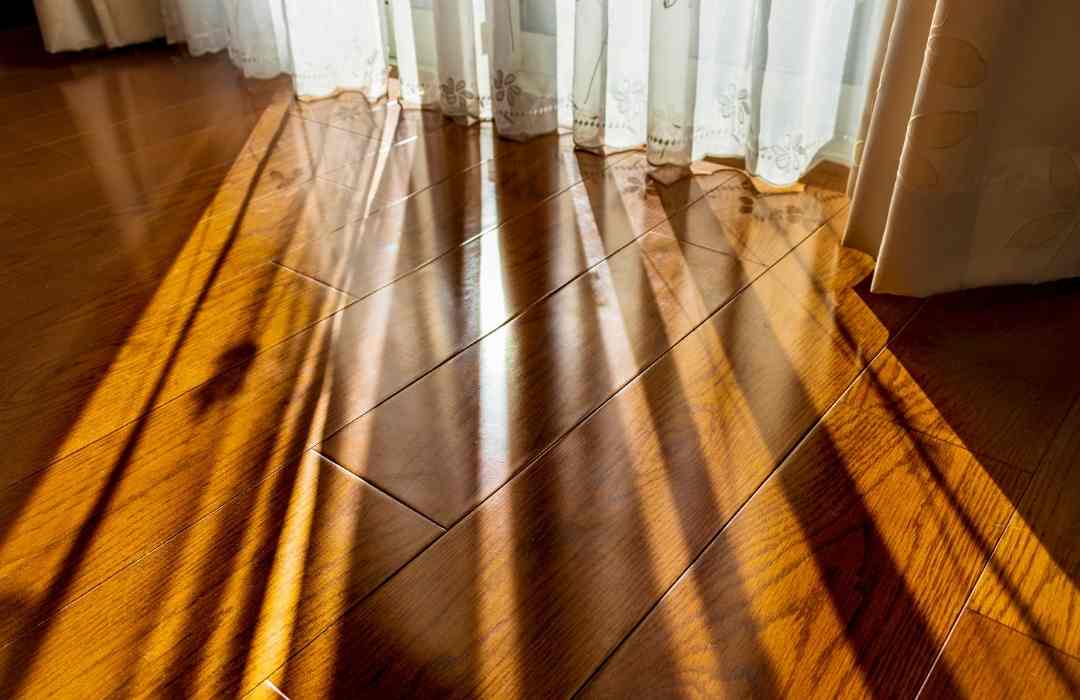
Many homeowners overlook the power of radiant solar heat. When direct, hot summer sunlight pours through your windows, it creates localized “greenhouse zones.” This intense heat dramatically raises the temperature of specific sections of your floor and cabinetry while the rest of the room stays cool.
This thermal imbalance can warp cabinet doors on one side of an island or cause localized crowning in hardwood. Installing high-quality window coverings—such as cellular shades, UV-blocking blinds, or heavy drapes—and closing them during peak afternoon hours shields your expensive interior finishes from thermal shock and direct UV fading.

Prepping and Protecting Your Kitchen Cabinetry
Kitchen cabinets are highly complex wood assemblies. They feature large, flat door panels, tight structural frames, and functional moving parts like hinges and glides. Because they live in the main cooking area, they are subjected to an influx of heat and steam daily.
When summer humidity strikes—whether you are feeling the lake effect in Fond du Lac or the humid breezes down in Kewaskum—wooden cabinet doors and face frames absorb moisture and swell. This causes doors to rub against each other, drawers to stick in their tracks, and finishes to stress along the joints.
Countertop Readiness for the Summer Heat
Countertops may seem indestructible, but they are deeply impacted by summer climate shifts. This is primarily due to how they interact with the cabinets supporting them and how their unique materials react to ambient heat.
Much like your oak flooring or maple flooring, solid wood countertops will expand across their grain as humidity climbs. If they were fastened too rigidly to the cabinet frames without room for seasonal movement, the intense pressure of summer expansion can cause the wood to crack or warp along its glued seams. Ensure your installation allows for shifting, and keep the wood sealed with a fresh coat of water-resistant mineral oil or conditioner before the humid weather peaks.
Natural Stone and Engineered Quartz
Materials like granite, marble, and quartz do not absorb atmospheric moisture the way wood does, but they are highly sensitive to thermal expansion. If direct, intense sunlight heats one section of a dark quartz countertop through an uncovered window, that area will expand slightly. This uneven expansion puts immense stress on the epoxy seams joining the slabs together, occasionally causing seams to pop, crack, or separate. Utilizing your window coverings during peak daylight hours is the easiest way to prevent this localized structural stress.
Why Professional Installation Matters
At the end of the day, the absolute best way to ensure your home survives Wisconsin’s volatile, four-season climate is to invest in top-tier craftsmanship from the start. Whether you are laying down resilient SPC flooring in a sunroom or fitting beautiful solid hardwood in your living room, the precision of a professional installer cannot be understated.
A trusted professional understands local weather patterns. They know exactly how much acclimation time a wood species needs before it is laid down, and they have the precision tools to ensure perfect expansion gaps and structural stability.
A trusted professional understands local weather patterns. They know exactly how much acclimation time a wood species needs before it is laid down, and they have the precision tools to ensure perfect expansion gaps and structural stability.
When you are ready to upgrade your interior to withstand both our freezing winters and sticky summers, look for local experts boasting verified 5 star reviews. Taking the time to secure professional installation guarantees that your home stays beautiful, safe, and structurally sound for many summers to come.
Ready to protect your investment? Visit a Quest Interiors showroom today to see our latest flooring collections and discuss how to keep them safe from the Wisconsin sun.